
Prague vs Vienna 2026: Which Central European City to Visit?
Prague and Vienna are Central Europe's two most-visited cities and they represent genuinely different travel propositions. Prague is a fairytale medieval city — Gothic towers, a vast castle district, red rooftops, cheap beer, and a concentrated old-town core that delivers extraordinary photography. Vienna is an imperial capital — Schönbrunn's 1,441 rooms, the Ringstrasse's monumental museums, the world's finest classical music scene, and UNESCO-listed coffee-house culture. The cliché is that Prague is for younger travellers on a budget and Vienna is for older travellers with cultural interests. Like most clichés, it's half-right.
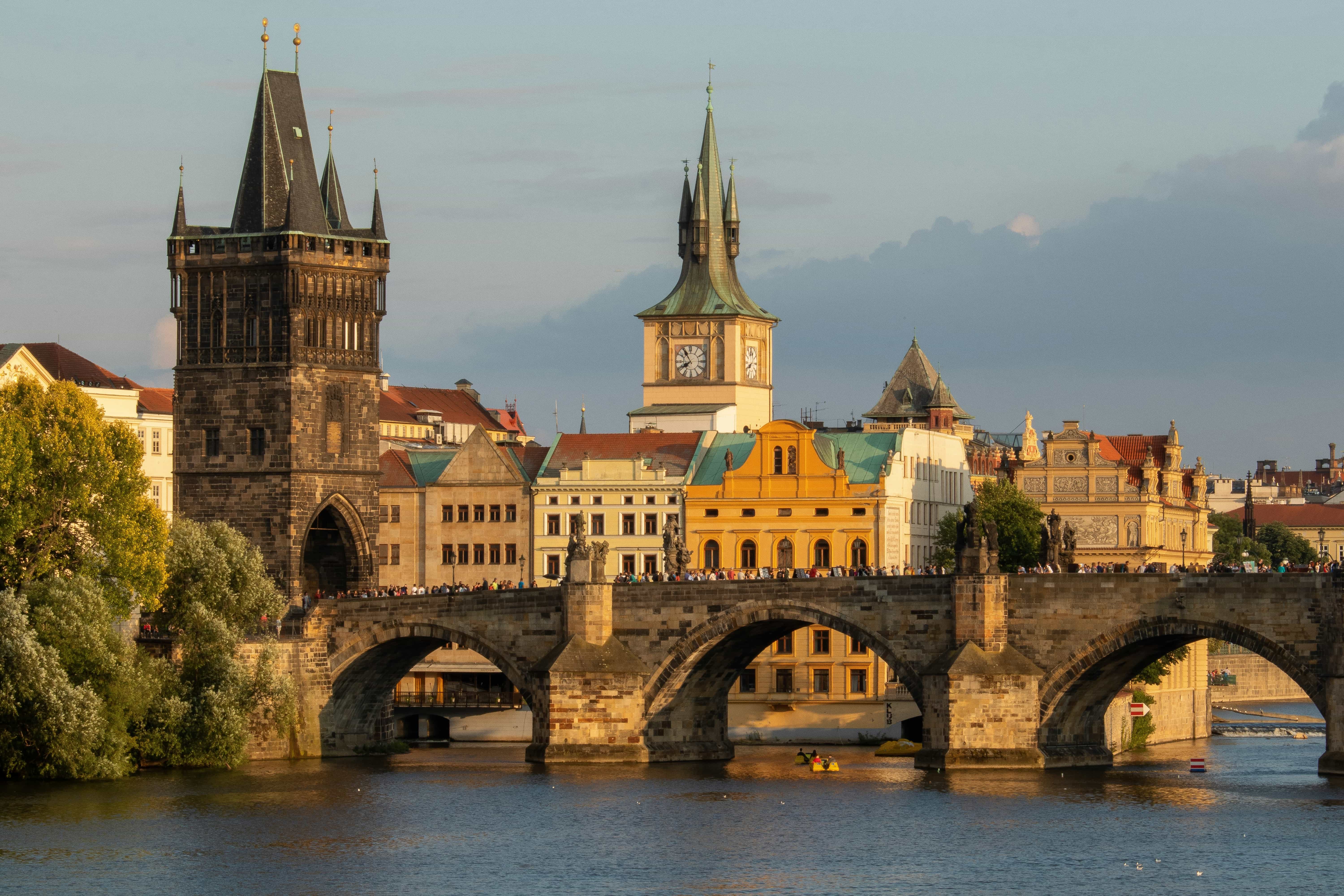
Prague
Czech Republic
From €135/night in shoulder season
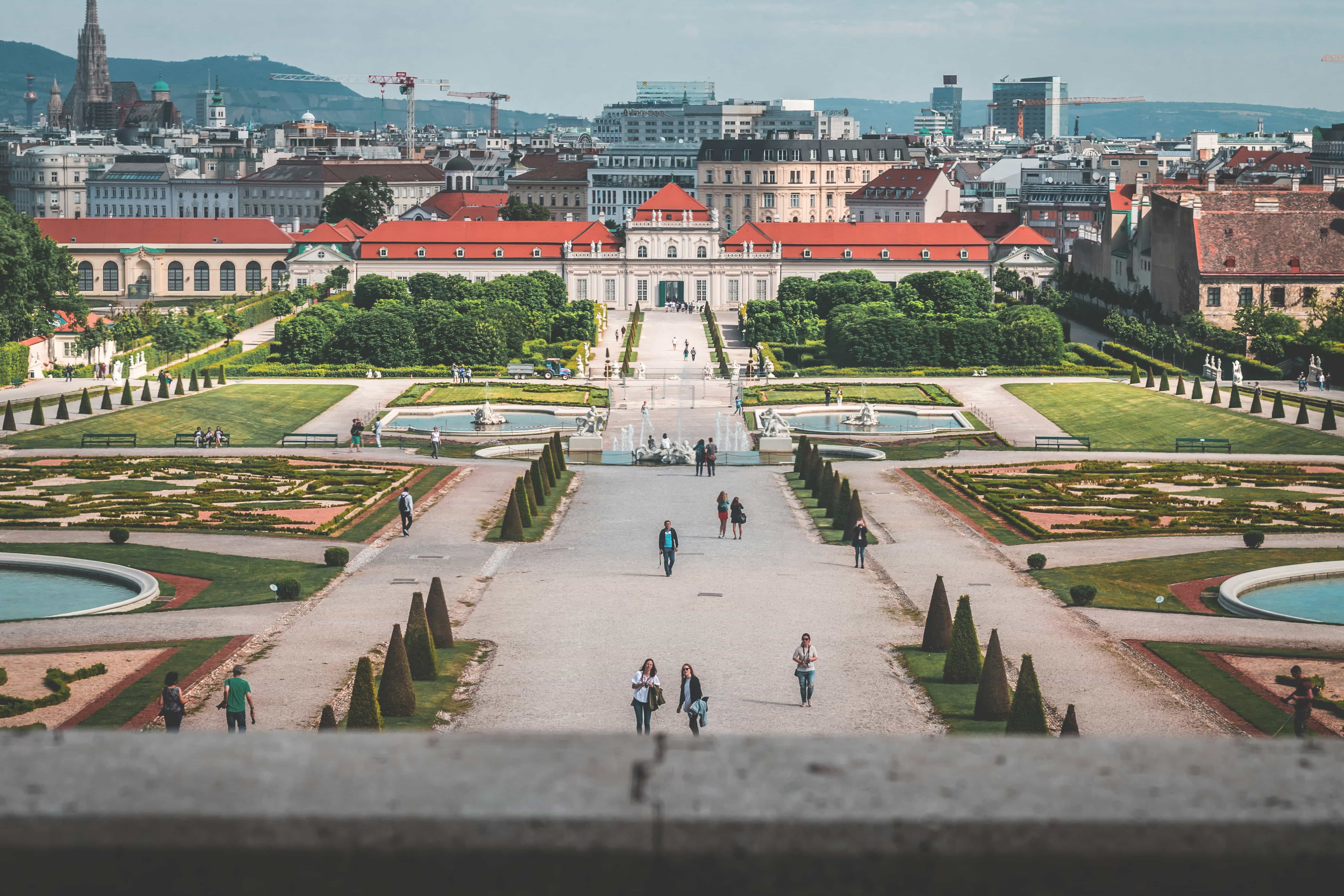
Vienna
Austria
From €150/night in shoulder season
Head to Head
For shoulder season value
PraguePrague is 25–40% cheaper than Vienna for a typical tourist day — restaurant meals cost 60% less, draft beer costs half the price (€2 vs €5), and mid-range hotels run €60–€90/night vs Vienna's €100–€140. Both cities have similar shoulder season windows: April–May and September–October for mild weather and lower prices, January–February for the cheapest stays. The one winter exception: Vienna's ball season (January–February) makes the city briefly more expensive on specific ball nights but creates extraordinary cultural value.
For architecture and visual drama
PraguePrague wins on medieval fairytale atmosphere — the Charles Bridge at dawn, the castle district silhouette, the astronomical clock in Old Town Square, and the red-roofed view from Letná Park are among Europe's most photographed and genuinely earned. Vienna's imperial grandeur (Schönbrunn, Belvedere, the Ringstrasse) is extraordinary but more formal and spread out. Prague's historic core is more compact and more consistently photogenic.
For museums and cultural depth
ViennaVienna by a considerable margin. The Kunsthistorisches Museum holds Bruegel's Hunters in the Snow and Vermeer's Art of Painting alongside one of Europe's finest ancient collections. The Belvedere has Klimt's The Kiss. The Albertina has Monet, Picasso, and Dürer's Praying Hands. The Natural History Museum, Sigmund Freud Museum, and MAK round out a museum offer that significantly outpaces Prague's. Schönbrunn's 40 state rooms alone take half a day.
For classical music and opera
ViennaVienna wins decisively — it's the best city in the world for classical music per euro spent. Vienna State Opera standing room tickets cost €10–€18 for the same performances that cost hundreds seated — the finest cultural bargain in Europe. The Musikverein (home of the Vienna Philharmonic) and Konzerthaus offer world-class concerts at accessible prices. Prague has good classical music (Prague Spring Festival, Estates Theatre where Mozart premiered Don Giovanni) but cannot match Vienna's density and quality.
For beer, food, and nightlife
PraguePrague. Czech beer at sub-€2.50 per 0.5L in neighbourhood pubs (U Fleků, U Zlatého Tygra, Lokál) is among the finest in the world and significantly cheaper than Vienna. Prague's food scene is more budget-friendly; Vienna's Viennese cuisine (Wiener Schnitzel, Tafelspitz, Kaiserschmarrn) is excellent but at double the price. Prague's nightlife is more accessible and diverse; Vienna's is centred on coffee houses and concert halls.
For the January–February window
ViennaVienna wins January–February specifically, despite being pricier. Ball season (November through mid-February) means 450+ balls filling the city — a genuinely unique cultural institution. Vienna Philharmonic Ball (January 22, 2026, Musikverein) and Vienna Opera Ball (February 12, 2026, Staatsoper) are the headline events. You don't need to attend a ball to experience the city's extraordinary atmosphere of evening gowns and opera cloaks in grand buildings. January hotel rates are Vienna's annual low (averaging €157/night) while cultural programmes run at full intensity.
The Verdict
Both if possible — they're 4 hours apart by train (RegioJet or ÖBB Railjet, €19–€39 booked ahead) with an optional night in Český Krumlov as a stopover. If forced to choose: Prague for budget-focused visits, first-time Europe trips, beer-lovers, and couples wanting pure medieval visual drama; Vienna for music and opera lovers, museum-focused visits, returning Europe travellers, and anyone travelling January–February when ball season makes Vienna unique. The honest verdict: Prague's old town has become heavily touristified — Trdelník stalls and stag parties have colonised the medieval core. Vienna's grandeur rewards multiple days and grows with familiarity. For a first Central Europe trip, Prague is the easier sell; for a second, Vienna is the more rewarding choice.
Shoulder Season Windows
Prague
Cheapest Months to Travel to Prague
Vienna
Cheapest Months to Travel to Vienna
Full guide →
Best time to visit Prague
Shoulder months, what to expect, insider tips
Full guide →
Best time to visit Vienna
Shoulder months, what to expect, insider tips
Frequently Asked Questions
Should I visit Prague or Vienna?
Prague for budget-focused visits, first-time Europe trips, beer-lovers, and pure medieval visual drama — it's 25–40% cheaper than Vienna for a typical tourist day. Vienna for music and opera lovers, museum-focused visits, returning Europe travellers, and January–February visits when ball season is unique. Both if possible — they're 4 hours apart by train (RegioJet/ÖBB Railjet, €19–€39 booked ahead).
When is the Vienna Philharmonic Ball in 2026?
The 83rd Vienna Philharmonic Ball falls on Thursday January 22, 2026, in the Musikverein Golden Hall. Doors open 9pm, dancing begins 10pm, runs until 5am. Regular tickets €220; student tickets €75 (available through the Musikverein); boxes €6,000–€18,000. Opening conductor Daniel Harding. Vienna Opera Ball 2026 falls on February 12.
Which has better Christmas markets, Prague or Vienna?
Vienna has more Christmas markets and arguably more atmospheric ones — Schönbrunn (November 6–January 6), Rathausplatz (November 14–December 26), Belvedere, Spittelberg, and Freyung all run simultaneously. Prague's Old Town Square and Wenceslas Square markets (November 29–January 6) are beautiful but more tourist-facing. The Freyung market in Vienna displays around 40,000 painted Easter eggs — unique to Vienna.
Is Prague cheaper than Vienna?
Yes — significantly. Restaurant meals cost around €8 in Prague vs €15 in Vienna; draft beer €2–€2.50 vs €5–€6; mid-range hotels €60–€90/night vs €100–€140. Overall consumer prices are roughly 28–35% higher in Vienna. Note that Prague uses Czech crowns (CZK), not euros — always pay in CZK at ATMs to avoid currency conversion fees.
What is the Prague Spring Music Festival 2026?
The 81st Prague Spring International Music Festival runs May 12–June 4, 2026. It opens on May 12 (anniversary of Smetana's death) with a performance of Má vlast, conducted by Jakub Hrůša. Artist-in-Residence Barbara Hannigan; returning performers include Martha Argerich. Venues include the Rudolfinum and Smetana Hall. Student tickets (under 26) cost CZK 200 (~€8) — one of the best-value classical music events in Europe.
Wondering how much you actually save by timing your trip right? Our Shoulder Season Price Report analyses hotel prices across 110 destinations — flights are 37% cheaper, hotels drop 20–50%, and September is the world's most valuable travel month.