
Barcelona vs Seville 2026: Which Spanish City to Visit?
Barcelona and Seville are Spain's two most-visited cities and they represent genuinely different countries within Spain. Barcelona is a Catalan world city — Gaudí's architecture, Mediterranean beaches, and cosmopolitan energy that puts it alongside Paris and New York rather than other Spanish cities. Seville is the heart of Andalusia — flamenco, Semana Santa processions, the Real Alcázar, orange-scented streets, and a tapas culture that feels like it belongs to residents rather than tourists. The choice depends on what kind of Spain you're looking for — and when you're going matters more than most guides admit.
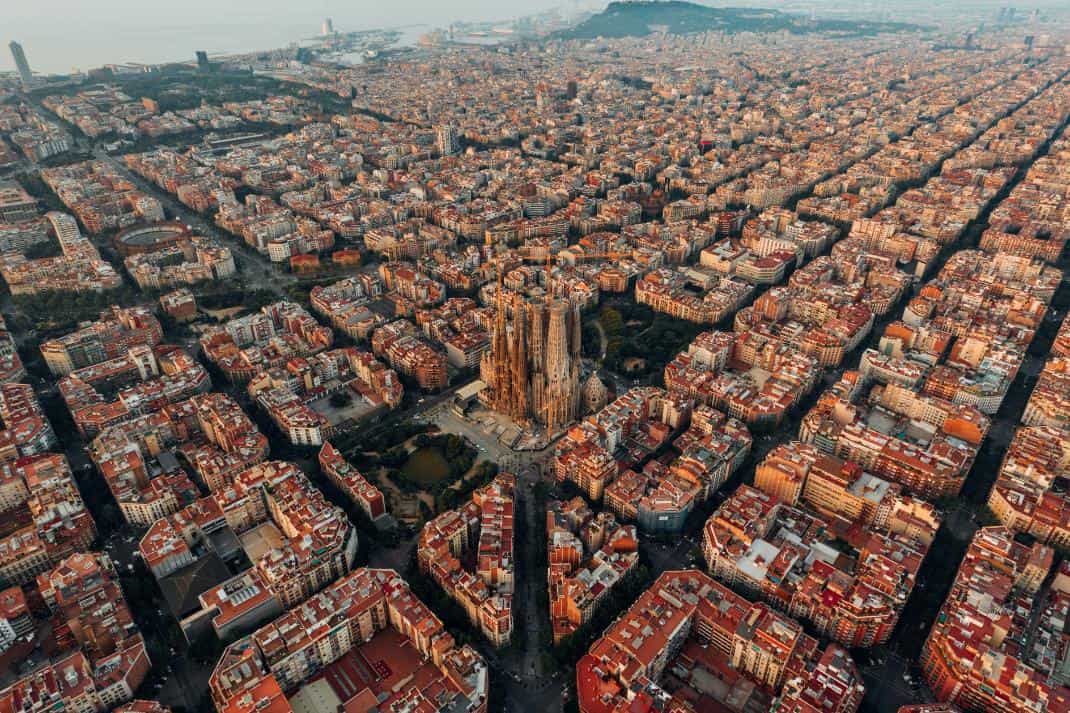
Barcelona
Spain
From €160/night in shoulder season
Seville
Spain
From €120/night in shoulder season
Head to Head
For shoulder season timing
SevilleSeville wins shoulder season outright in March, May, and October. Seville's comfortable temperature range (22–28°C) runs March through May and September through November — the city is designed for walking, and those months reward it. Barcelona is also excellent in May and October but the Mediterranean sea only becomes properly swimmable (21°C+) from June. Note: Seville in July–August regularly hits 36–40°C and has recorded 45°C — this is genuinely brutal and not suitable for comfortable tourism.
For architecture and museums
BarcelonaBarcelona by a clear margin for sheer visual density — the Sagrada Família (still the most extraordinary building under construction in the world), Park Güell, Casa Batlló, Casa Milà, the Gothic Quarter, and Montjuïc all reward days of exploration. Seville's Real Alcázar (UNESCO listed, partial filming location for Game of Thrones) and Cathedral are world-class individually, but the overall museum offering is narrower. Picasso Museum, MNAC, Fundació Miró, and the MACBA make Barcelona the stronger museum destination.
For authentic Spanish culture
SevilleSeville — and most travellers who've visited both will agree. Barcelona is a great city located in Spain with distinct Catalan identity, language, and culture; Andalusia delivers the flamenco, bullfighting, Holy Week processions, and tapas culture that most first-timers picture when they imagine Spain. Triana's flamenco tablaos, the Semana Santa brotherhood processions, and the Feria de Abril are experiences with no equivalent in Barcelona. Seville also wins on authenticity of daily life — tapas still come free with drinks in some Triana and Macarena bars.
For beach and nightlife
BarcelonaBarcelona is the clear winner. Barceloneta and the city's string of Mediterranean beaches are genuinely swimmable June–October (sea temperature 21–26°C peaking in August). Seville is landlocked — the nearest beach (Matalascañas or Rota) is 90 minutes away. Barcelona's nightlife — from the bars of the Born to the clubs of Poble Nou — is among the best in Europe. Seville has a vibrant tapas and bar culture but limited club scene.
For value
SevilleSeville is significantly cheaper than Barcelona. Mid-range hotels run €80–€130/night vs Barcelona's €140–€190. A café con leche costs €1.50 in Seville vs €3 in Barcelona; a beer costs €1.50–€2 vs €4–€5. Seville's tapas bars serve free snacks with drinks in some traditional spots — a Seville institution that Barcelona doesn't have. The notable exception: Seville during Semana Santa (April 2–9, 2026) and Feria de Abril (April 21–26, 2026) when hotels spike 100–300% and book out months ahead.
For 2026 festival highlights
DrawBoth cities have extraordinary festivals. Seville: Semana Santa (April 2–9, 2026) — 60+ brotherhoods processing to the Cathedral, one of Europe's greatest religious events; Feria de Abril (April 21–26, 2026) — 1,000+ casetas, flamenco dresses, horse parades, and fireworks. Barcelona: Sant Jordi Day (April 23, 2026) — roses and books fill Las Ramblas; La Mercè (September 23–27, 2026) — Barcelona's city festival with castellers, fire-running, and free concerts. Avoid Barcelona during Mobile World Congress (March 2–5, 2026) when hotel prices triple.
The Verdict
Both if possible — they're 5.5 hours apart by AVE high-speed rail and genuinely complement each other. If forced to choose: Seville for March, May, October, and November visits (better weather, more authentic culture, lower prices); Barcelona for June through September visits (the sea makes it the strongest choice when beaches matter). Do Seville first, Barcelona second — moving from intimate Andalusia to Gaudí's Barcelona builds the trip better than the reverse. Avoid Seville July–August (genuine 40°C+ heat); avoid Barcelona MWC week in early March.
Full guide →
Best time to visit Barcelona
Shoulder months, what to expect, insider tips
Full guide →
Best time to visit Seville
Shoulder months, what to expect, insider tips
Frequently Asked Questions
Should I visit Barcelona or Seville?
Seville for March, May, October, and November — better weather for walking, more authentic Andalusian culture, and hotels 40–60% cheaper than Barcelona. Barcelona for June through September — the Mediterranean sea (21–26°C) makes it decisively better when beaches matter, and the nightlife is stronger. If doing both, do Seville first and Barcelona second — moving from intimate Andalusia to Gaudí's Barcelona builds the trip better than the reverse.
When is the Feria de Abril in Seville 2026?
The Feria de Abril 2026 runs April 21–26, with the illumination (alumbrao) of the portada at midnight between April 20 and 21. The fairground fills 1,000+ casetas (private marquees), horse-and-carriage parades run daily, and fireworks close the fair midnight April 26. Most casetas are private — book through your accommodation or a local contact for access. Semana Santa (Holy Week) immediately precedes the Feria: April 2–9, 2026.
What is Sant Jordi Day in Barcelona?
Sant Jordi Day (April 23) is Catalonia's Valentine's Day — men give roses, women give books, and Passeig de Gràcia and Las Ramblas fill with stalls selling both. It's one of Barcelona's most atmospheric days, a public celebration that belongs to the city rather than tourists. Not a public holiday, but the city comes alive.
Is Seville too hot in summer?
Yes — July and August in Seville are genuinely brutal. Average highs are 36°C and Seville has recorded 45–46°C. The city effectively closes midday. Most travel guides describe it as 'hot' without quantifying how extreme it is. If your dates fall July–August, Barcelona is a far more comfortable choice. Seville's comfortable window is October through May.
Which is cheaper, Barcelona or Seville?
Seville is significantly cheaper. Mid-range hotels: Seville €80–€130/night vs Barcelona €140–€190. Coffee: Seville €1.50 vs Barcelona €3. Beer: Seville €1.50–€2 vs Barcelona €4–€5. The major exception is Seville during Semana Santa and Feria de Abril (April 2–26, 2026), when hotel prices spike 100–300% and accommodation books out months in advance.
Wondering how much you actually save by timing your trip right? Our Shoulder Season Price Report analyses hotel prices across 110 destinations — flights are 37% cheaper, hotels drop 20–50%, and September is the world's most valuable travel month.