
Dubrovnik vs Split: Which Croatian City to Visit
Dubrovnik and Split are Croatia's two most-visited cities - and they attract visitors for quite different reasons. Dubrovnik is one of the world's great walled cities, a UNESCO-listed fortress on the Adriatic with extraordinary visual drama. Split is a working city built around a Roman emperor's palace, with more authenticity, better value, and a stronger local culture. Both have a compelling shoulder season argument. Which you choose depends on what you want from Croatia.
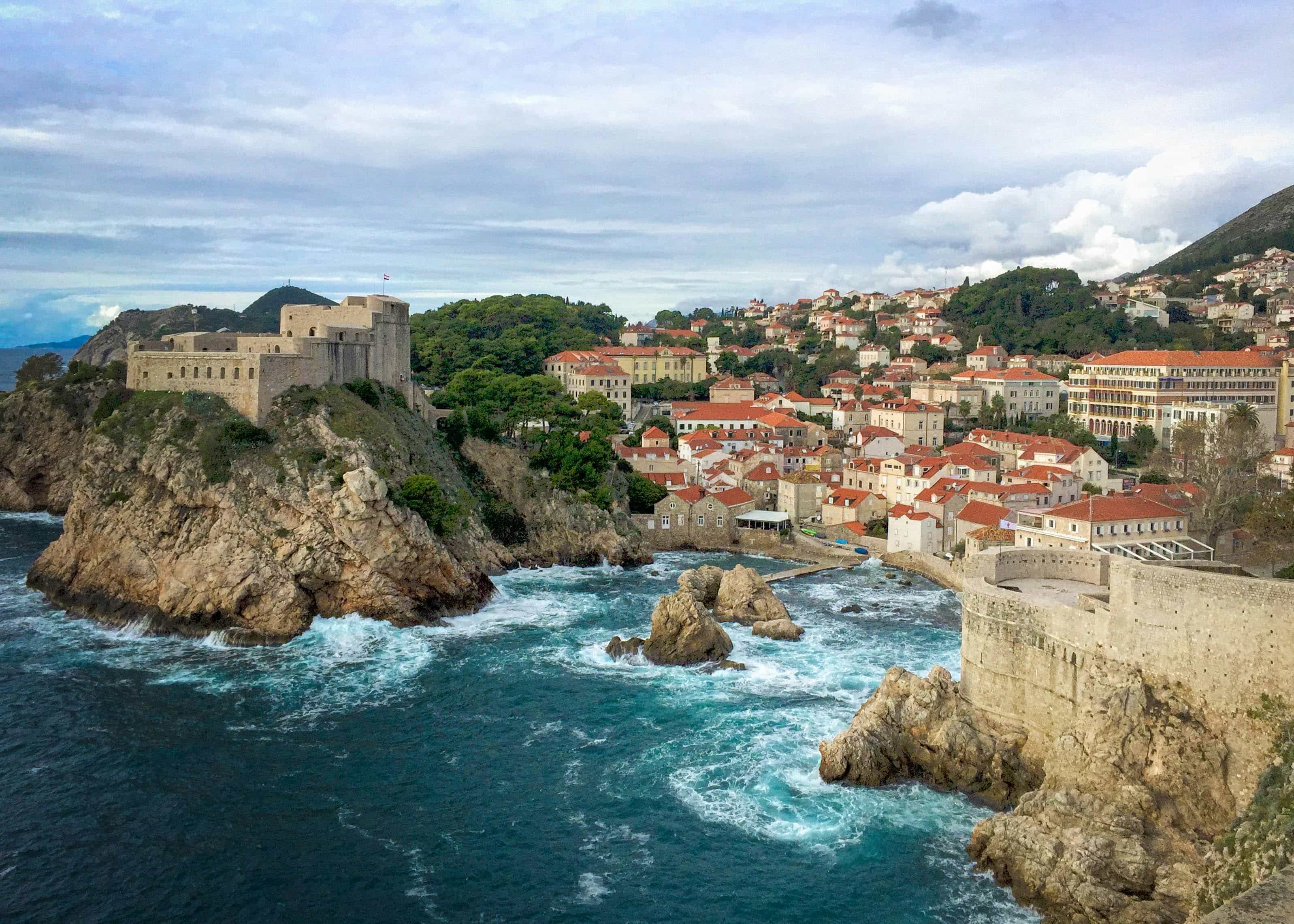
Dubrovnik
Croatia
From €165/night in shoulder season
Split
Croatia
From €120/night in shoulder season
Head to Head
For shoulder season value
SplitSplit is significantly cheaper than Dubrovnik at every quality level - hotels, restaurants, and day trips all cost 20–35% less. Dubrovnik's fame commands a premium year-round, and even in shoulder season (May and September) accommodation prices remain high relative to elsewhere in Croatia. Split in September gives you warm sea (23–24°C), low crowds, and hotel prices that have dropped 30–40% from August peak - making it one of the Adriatic's best value propositions.
For visual drama and scenery
DubrovnikDubrovnik's Old Town walls are one of Europe's genuinely extraordinary experiences - walking the full 2km circuit above terracotta rooftops, the Adriatic below, is not replicated anywhere in Croatia. The city is extraordinary to look at from every angle. Split's Diocletian's Palace is fascinating and atmospheric, but it functions as a living neighbourhood rather than a dramatic set piece. Dubrovnik wins on spectacle.
For authentic local life
SplitSplit is a working Croatian city of 170,000 people. The Diocletian's Palace district has residents hanging laundry between Roman columns, local bars alongside tourist restaurants, and a genuine city culture. Dubrovnik's Old Town has been almost entirely given over to tourism - many year-round residents have left due to short-term rental pressure, and the streets in peak season feel more like a theme park than a city. In shoulder season Dubrovnik improves significantly, but Split's authenticity is structural.
For island access
SplitSplit is Croatia's main ferry hub - Brač (45 min), Hvar (1 hour), Vis (2.5 hours), and Korčula (3 hours) are all easily reached. This makes Split the better base for island-hopping, which is Croatia's strongest travel proposition. Dubrovnik has ferry connections to the Elafiti Islands and Korčula, but fewer options and higher prices. If island-hopping is a priority, base from Split.
For a quick visit
DubrovnikDubrovnik can be thoroughly experienced in 2 days - walk the walls, explore the Old Town, take a cable car to Srđ hill, day trip to Cavtat or the Elafiti Islands. It's a compact destination where the main experience (the walls and Old Town) is concentrated and efficient. Split rewards more time thanks to its island connections, but the city itself can also be seen in 2 days.
The Verdict
Split in September is Croatia's single best shoulder season proposition - authentic city, warm Adriatic, excellent island connections, and prices that have fallen significantly from August. Dubrovnik in May is the alternative: before the summer crush arrives, the walls are walkable in 20°C temperatures and the city shows its best face. If you can do both, 2 nights in Split and 2 nights in Dubrovnik is the ideal Croatian itinerary. If forced to choose: Split for value and authenticity; Dubrovnik if the walls are the reason you're coming.
Full guide →
Best time to visit Dubrovnik
Shoulder months, what to expect, insider tips
Full guide →
Best time to visit Split
Shoulder months, what to expect, insider tips
Frequently Asked Questions
Is Dubrovnik or Split better for shoulder season?
Split in September is Croatia's single best shoulder season proposition - authentic city, warm Adriatic (23–24°C), island ferry access, and prices 30–40% below August peak. Dubrovnik in May is the best alternative: the walls are walkable without summer heat, and the Old Town is genuinely beautiful before the cruise ships arrive in numbers.
Which is cheaper, Dubrovnik or Split?
Split is significantly cheaper - hotels, restaurants, and activities cost 20–35% less than Dubrovnik equivalents. Dubrovnik's fame commands a premium year-round. For budget-conscious travellers, Split is the clear choice.
Can you visit both Dubrovnik and Split in one trip?
Yes - a fast catamaran or bus connects them in roughly 4–4.5 hours along the coast. Most Croatia itineraries include both: Split as the island-hopping base and Dubrovnik as the finale. 2–3 nights each is ideal.
When is the best time to visit Dubrovnik?
May and September–October. July and August are among Europe's most overcrowded tourist experiences - the Old Town walls become queuing exercises and cruise ships dock daily. May gives you 20°C temperatures and the city to yourself; September gives you warm sea and the post-summer calm.
Is Split worth visiting without doing the islands?
Yes - the Diocletian's Palace district, the Marjan Hill forest park, the Mestrovic Gallery, and the restaurant scene in the old town make Split rewarding as a city destination. But the islands are the main argument for basing in Split rather than Dubrovnik.
Wondering how much you actually save by timing your trip right? Our Shoulder Season Price Report analyses hotel prices across 110 destinations - flights are 37% cheaper, hotels drop 20–50%, and September is the world's most valuable travel month.